Deepening Servingness at Montclair State University
|
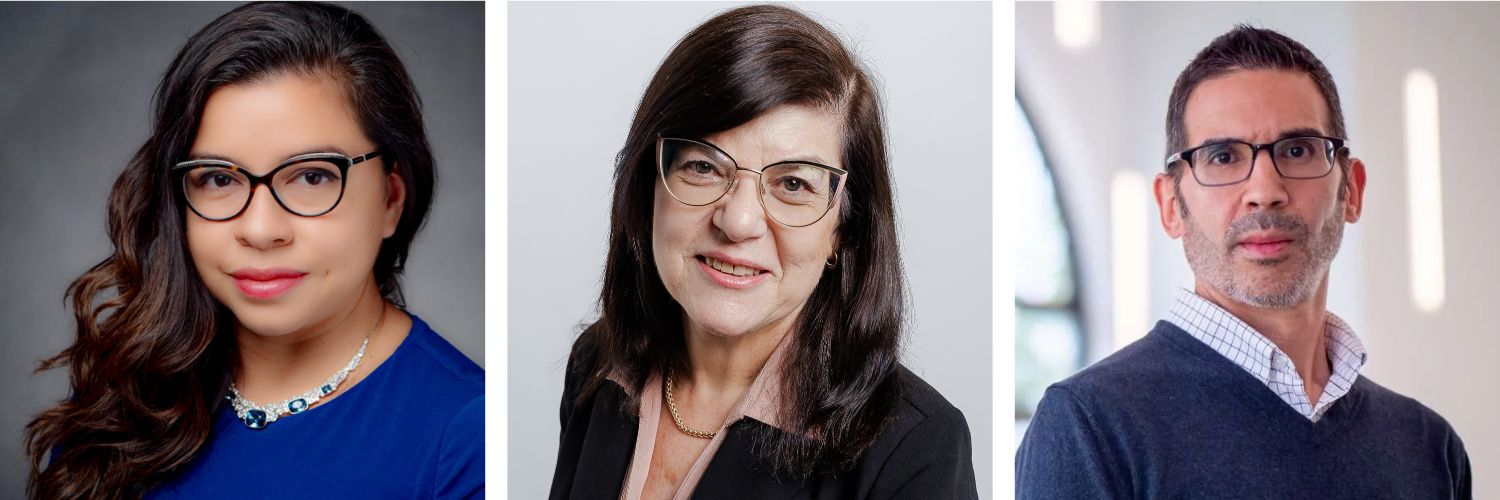
By Blanca Elizabeth Vega, Katia Paz Goldfarb and Milton A. Fuentes
|
|
|
|
What does it mean for a student to experience Montclair as a university designed with them in mind?
At Montclair, this answer is found in many areas: a classroom where students’ experiences inform an instructor’s pedagogy; an advising practice that simplifies complex processes for students returning to higher education; a family engagement program that welcomes questions in multiple languages; an institutionally supported office that uses evidence about who is thriving and who faces barriers.
These encounters give meaning to servingness, defined as the intentional work of shaping a university’s teaching, culture, policies, and practices so that Latino and all students experience belonging, have their knowledge and identities valued, and receive the support and opportunities they need to thrive. Centering servingness in our work asks us to examine how our campus fosters learning and success and to change the conditions that create barriers. These are just a few reasons why Montclair State University earned the Seal of Excelencia, recognizing the work we, faculty, staff, and administrators, do every day to serve over 20,000 students.
|
|
|
|
The Seal of Excelencia is a national certification awarded by Excelencia in Education to colleges and universities that demonstrate an intentional, evidence-based commitment to Latino and all student success. It recognizes how institutions connect data, practices, and leadership to support that success. Earning the Seal reflects the collective work of colleagues across Montclair and our commitment to keep strengthening those efforts. This recognition invites us to ask what comes next. How do we continuously assess effective practices? How do we understand students’ experiences more fully? And how do we make servingness a shared responsibility across Montclair?
|
|
|
|
Making our collective work visible
Preparing the Seal application was a sustained, collaborative undertaking. For nearly 18 months, our ten-member committee, comprised of Katia Paz Goldfarb, Blanca Elizabeth Vega, Milton A. Fuentes, Jane Sanchez Swain, Claudio Alejo, Marco Cordova, Craigon Campbell, Philip Jou, Tara Mellor, and Cristian Vergara, met regularly to gather and review data, document institutional practices, and bring together evidence from offices and programs across Montclair. This work depended on colleagues who shared information, explained their programs, and helped us understand how their efforts support Latino and all student success.
That process made visible the contributions of faculty, staff, administrators, students, families, and the surrounding community. It also reinforced the value of connecting work that often occurs across different units. An opportunity to think together, we reviewed classroom practices, student support initiatives, and institutional policies that address barriers and elevate student success. This opportunity brought colleagues together to reflect, analyze, and think together about what servingness means, how we conceptualize and enact Latino and all student success, and what remains to be studied.
Bringing servingness into everyday practice
Servingness asks us, as a Montclair community committed to the public good, to examine how students experience our teaching, relationships, practices, and expectations. As a Hispanic-Serving Institution, we learned that as a community we connect educational opportunity with the conditions that help students participate, learn, and succeed. Yet much more work remains, and we have yet to realize our full potential.
For faculty, this might mean reflecting on their positionality, making assignment expectations more explicit, connecting course content to students’ communities and knowledge, or examining who participates in research and other meaningful learning opportunities.
For staff and administrators, it might mean reviewing a process from a student’s perspective: Are the steps clear? Is support available when students need it? Do our procedures account for students balancing college with employment, caregiving, and other responsibilities? Ultimately, what are we asking students to navigate, and how can the University better support their success?
As a Hispanic-Serving Institution, we recognize that advancing Latino and all student success requires attention to all aspects of their identity, including race, ethnicity, religion, language, income, immigration experiences, and first-generation college status. Understanding these differences helps us design more responsive practices, examine barriers that may affect other students, and incorporate strengths into our work.
Using evidence to strengthen our work
Upon earning the Seal, we are committed to recertifying in three years. This means we must demonstrate that not only have we sustained our efforts, but that we have also improved the gaps. Therefore, our next phase includes building a shared understanding of servingness, supporting professional development, and strengthening how we use evidence to improve practice. Efforts are underway with the Provost and the Office of Hispanic Initiatives to design an HSI Fellows program to guide these efforts
This means bringing student experiences into conversations with information about participation, retention, completion, and other key outcomes. It also means helping colleagues ask useful questions and collect data about their programs: Whom are we reaching? Who may be missing? What do students tell us? What changes should we try? Ongoing self-study can help guide these efforts.
Some promising practices already have substantial evidence behind them. Others need support to clarify their goals and develop meaningful assessment. Both offer opportunities for learning and collaboration.
How to support our commitment to servingness at Montclair
Deepening servingness starts with concrete choices in our own work. Here are five ways to contribute:
|
|
|
|
- Review one assignment or course policy. Make its purpose, expectations, and steps clear. Ask students what helps them succeed and where they need more guidance.
- Walk through one student-facing process. Choose a task such as scheduling an advising appointment, accessing research opportunities, or applying for program support. Review the instructions with students and identify one barrier your department or office can address.
- Bring a servingness question to your next team meeting. Ask: How does our work support Latino and all student success? Whom are we reaching, and whose experiences do we need to understand better? Select one action to pursue together.
- Connect evidence with student perspectives. Examine available participation or outcome data alongside student feedback. Consider differences within Latino student populations and use what you learn to make a specific improvement.
- Share a practice or a question with us. We welcome examples of teaching, advising, family engagement, student support, and community involvement that colleagues are developing. Practices still taking shape are welcome, too. Reach out to Blanca Elizabeth Vega, Katia Paz Goldfarb, or Milton A. Fuentes to help us identify opportunities for shared learning and collaboration.
|
Start with one action, invite students’ perspectives, and revisit what changes. Through these everyday efforts, we can turn the Seal’s recognition into an ongoing practice of serving our students with greater intention. We look forward to celebrating this work together on November 12 as we honor a decade as a Hispanic-Serving Institution.
|
Blanca Elizabeth Vega, Ed.D.
Associate Professor, Educational Leadership
|
Katia Paz Goldfarb, Ph.D.
Associate Provost for Hispanic Initiatives and International Programs
|
Milton A. Fuentes, Psy.D.
Professor, Psychology
|
|
|
|
|
President Koppell's Lecture Series
|
|
|
|
|
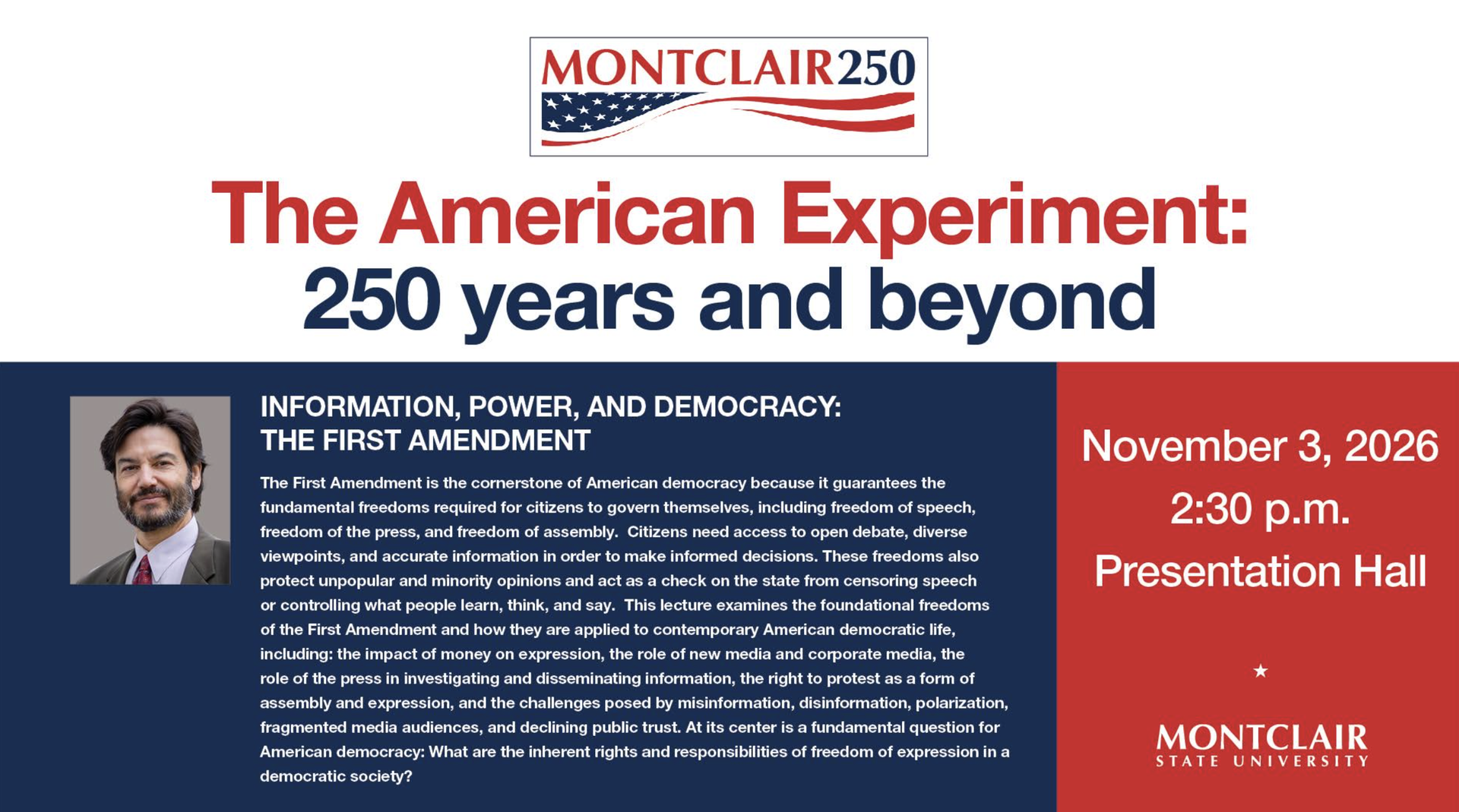
Information, Power, and Democracy: The First Amendment
|
President Koppell's The American Experiment: 250 Years and Beyond lecture series concludes for the semester with "Information, Power, and Democracy: The First Amendment" November 3, at 2:30 p.m. in the College of Communication and Media's Presentation Hall.
The First Amendment shapes how we share ideas, challenge those in power and make our voices heard. But how do we protect those freedoms when misinformation spreads and trust in the media declines? Join for a timely exploration of the rights and responsibilities of free expression and what they mean for democracy today.
|
|
|
|
Encourage Students to Help Test Workday Student
|
Faculty and staff are encouraged to invite students to help test Workday Student before it replaces Banner in spring 2027. During a two-hour Mock Term session, students will try registration, academic planning and financial aid tasks, share feedback and gain hands-on user-testing experience. Participants will receive $5 in Red Hawk Dollars and be entered to win raffle prizes.
Kickoff launch parties take place at 2 p.m. on November 9 (Bloomfield) and November 16 (Montclair), featuring snacks, swag and music. Sessions run November 10-12 on the Bloomfield campus and November 17-19 on the Montclair campus, with Zoom options available each week. View All Sessions and Register.
|
|
|
Nominate a Colleague or Team for
the 2027 Presidential Excellence Awards
|
Consider nominating a colleague or team for the Presidential Excellence Awards to recognize their commitment to excellence in their work and service to others. The 22 award categories celebrate faculty and staff, including full-time and part-time employees, longstanding colleagues and those who have recently joined our University community.
Self-nominations are also accepted. The deadline for nominations is Tuesday, December 1, at 5 p.m.
|
|
|
|
|
|
|
Midterm Elections 2026: Results and Reflections
|
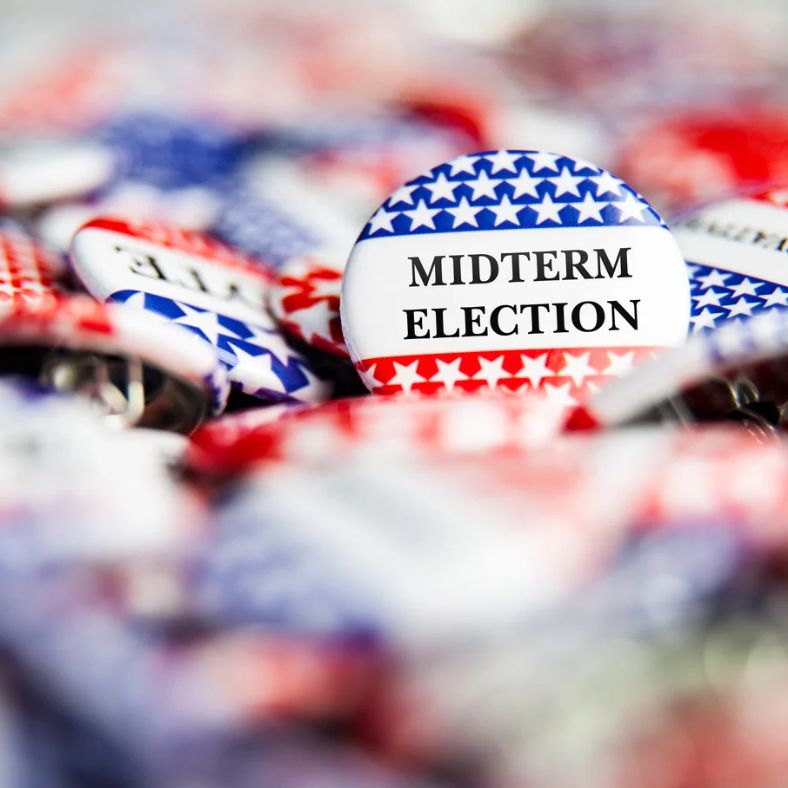
Join colleagues this evening, November 3, from 7-10 p.m. in the College of Communication and Media Lobby, for an Election Night Watch Party, with live election coverage and refreshments.
Then, join colleagues from CHSS and CCOM next week for a Post-Election Analysis Panel on Wednesday, November 11, at 2:30 p.m. in Presentation Hall, exploring Latino and youth voters, gender dynamics, media, AI and presidential politics.
|
|
|
|
|
|
Latino Oral History: HOLA's First Symposium
|
Join the HOLA Program at CLaSE for their first International Symposium on Latino Oral History, held virtually Friday, November 6 and Saturday, November 7, 10:15 a.m. - 4:15 p.m. Featuring seven sessions with scholars, librarians and historians from across the country, the symposium includes a keynote by Héctor Tobar, UC Irvine professor, journalist and author. Attend one session or all seven.
Registration is free for Montclair students; a small fee applies to other attendees.
|
|
|
- Tuesday, November 3: Election Day.
- Monday, November 9 - Sunday, November 15: Session C Progress Reports due.
- Wednesday, November 11: Veterans Day.
- November 25 - 29: Thanksgiving Break. No classes held.
|
|
|
|
|
|
|
Explore Previous Editions
|
|
|
|
|